Endometriosis: Causes, Symptoms, and Treatment Options
First, Imagine a rogue plant growing where it doesn’t belong, causing severe damage to surrounding structures. This is a simplified way to describe endometriosis, a complex condition that significantly impacts women’s health. This article will explore endometriosis, its causes, symptoms, and the treatment options available to manage this challenging condition.
What Is Endometriosis?
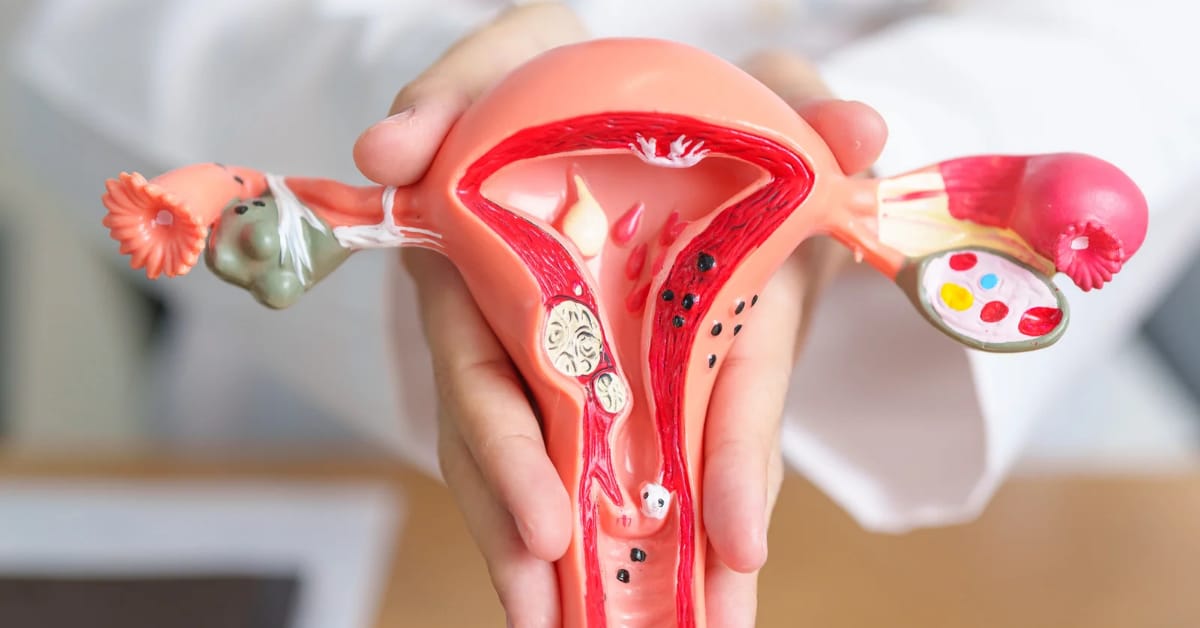
Endometriosis is a chronic gynecological condition where tissue similar to the uterine lining grows outside the uterus. Common sites include the ovaries, fallopian tubes, bladder, and intestines. These tissues react to hormonal changes during the menstrual cycle, leading to inflammation, pain, and scarring.
Moreover, This condition predominantly affects women between the ages of 15 and 44, often during their reproductive years.
What Causes Endometriosis?
While there’s no single confirmed cause, several theories shed light on potential triggers:
- Retrograde Menstruation: Menstrual blood flows backward through the fallopian tubes into the pelvic cavity, carrying uterine cells that implant and grow.
- Cell Transformation (Metaplasia): Normal cells outside the uterus may transform into uterine-like cells.
- Stem Cells: Stem cells could contribute to the formation of endometrial-like tissue in abnormal locations.
Genetics and Immune System Dysfunction: A family history of endometriosis and certain immune system disorders may increase susceptibility.
Recognizing the Symptoms
Symptoms of endometriosis vary widely among individuals but often include:
- Chronic Pelvic Pain: Persistent pain in the lower abdomen or pelvis.
- Heavy Menstrual Bleeding: Excessive bleeding during periods or spotting between cycles.
- Painful Periods: Severe cramping and discomfort during menstruation.
- Infertility: Difficulty conceiving, often linked to advanced cases.
- Pain During Intercourse: Discomfort during or after sexual activity.
Digestive and Urinary Issues: Symptoms like constipation, diarrhea, painful bowel movements, and frequent urination.
Why Is Endometriosis a Serious Concern?
Endometriosis can severely affect a woman’s quality of life. Beyond physical pain, the condition is closely linked to mental health challenges, such as depression and anxiety. Left untreated, it can also lead to complications like infertility and debilitating chronic pain, disrupting daily activities and impacting social and economic well-being.
Treatment Options for Endometriosis
Managing endometriosis requires a tailored approach, as the severity and symptoms differ for each individual. Here’s an overview of the most common treatments:
1. Non-Surgical Treatments:
- Hormonal Therapy: This is often the first line of treatment. Options include oral contraceptives, progestins, and GNRH agonists to suppress the hormonal fluctuations that fuel endometriosis growth.
Note: Hormonal treatments can affect fertility, so it’s crucial to discuss your family planning goals with your doctor.
Pain Management: Nonsteroidal anti-inflammatory drugs (NSAIDs) and prescribed medications can help manage discomfort.
2. Minimally Invasive Surgery:
Laparoscopy: This procedure is used to locate and remove endometrial tissue. It’s often recommended for women with severe symptoms or those seeking to improve fertility.
3. Advanced Surgical Options:
- Open Surgery: In severe cases, larger incisions may be needed to remove extensive scar tissue and adhesions.
Hysterectomy: For advanced or unresponsive cases, removing the uterus (with or without the ovaries) may be recommended. However, this leads to early menopause and requires careful consideration
Living with Endometriosis: Lifestyle and Support
While there is no permanent cure for endometriosis, lifestyle changes can help improve symptoms and overall well-being:
- Diet: A balanced diet rich in anti-inflammatory foods may alleviate bloating and pain.
- Exercise: Gentle activities like yoga and pelvic floor therapy can provide relief and improve mental health.
- Support Groups: Connecting with others who share similar experiences fosters understanding and emotional support.
Alternative Treatments: Techniques such as acupuncture and mindfulness practices may complement medical treatment.
Raising Awareness About Endometriosis
Increasing endometriosis awareness is crucial for early diagnosis and intervention. Campaigns and advocacy initiatives can educate women on the condition, reducing stigma and empowering them to seek timely medical care.
Finally, If you suspect you have endometriosis, consult a healthcare professional for a proper diagnosis and personalized treatment plan.
Leave a Reply